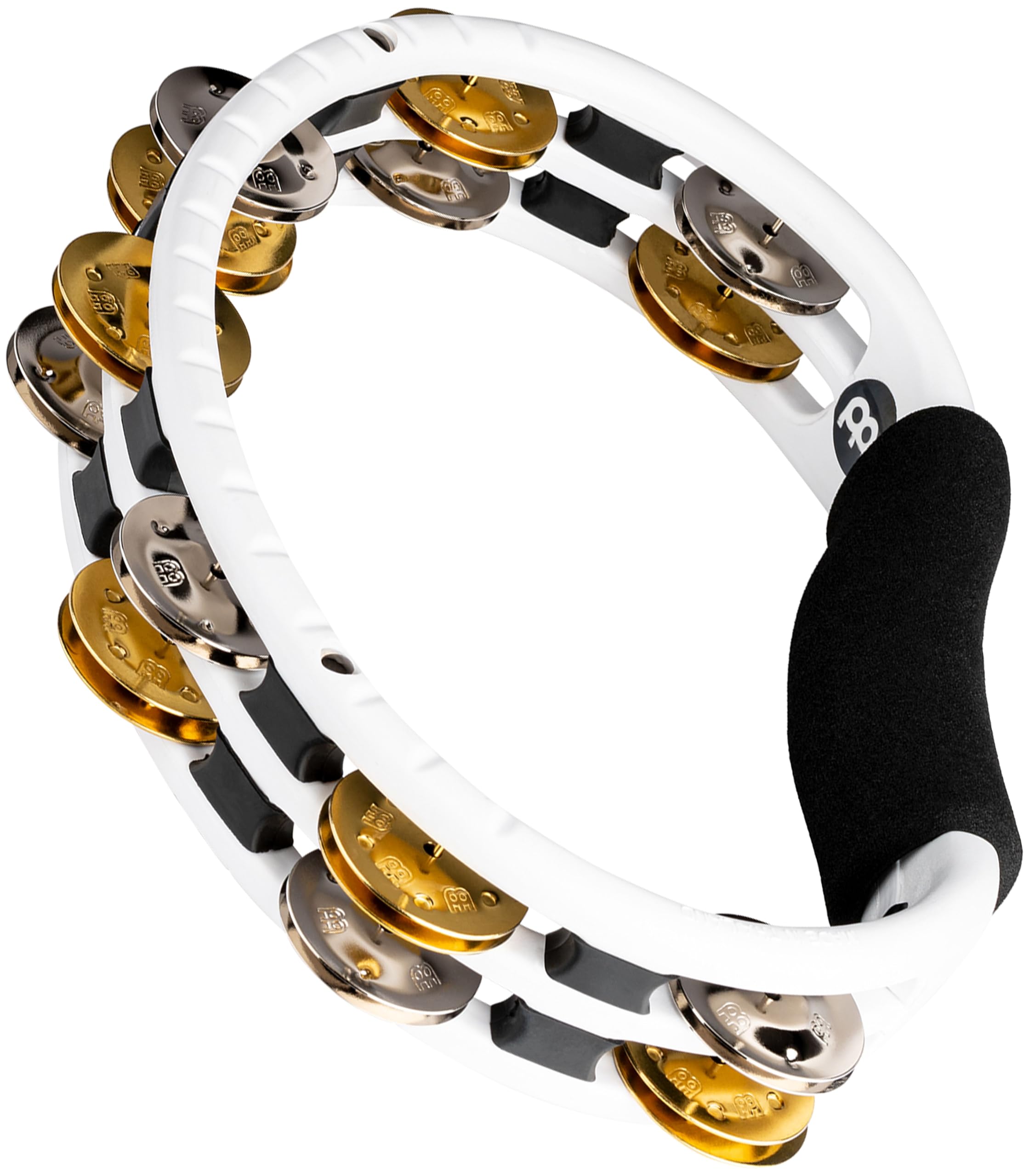
The Tambourine for Adults, marketed as a traditional handheld instrument with mixed jingles and a synthetic frame, positions itself as a deliberate alternative to mass-produced options. It specifically notes it is not made in China, which may appeal to buyers seeking a different supply chain origin. This review looks at how it performs in real-world settings, considering both its strengths and limitations.
In practice, this tambourine is a straightforward percussion tool. It features a circular synthetic frame, around 8 to 10 inches in diameter, with two rows of metal jingles—typically a mix of smaller and larger discs. The synthetic material feels lighter than a traditional wooden or metal frame, which can reduce hand fatigue during extended play. The jingles produce a bright, crisp sound with moderate sustain, suitable for accent rhythms in folk, rock, or world music contexts. During a rehearsal session with a local acoustic group, the tambourine held up well for basic patterns—shakes, taps, and rolls—though the jingles lacked the rich overtones of higher-end brass or nickel-silver options.
Key functional features include the mixed jingle configuration, which aims to balance high and low frequencies. The synthetic frame is designed to be durable and resistant to temperature changes, unlike wood which can warp. The instrument includes a grip area, though it is not padded, and the frame edges are smooth enough for comfortable handling. The jingles are attached with metal rivets that feel secure, but the tension is fixed—there is no way to adjust jingle response, which some players might prefer for finer control.
- Sound quality: Bright and clear, but not particularly warm or complex. Works well for rhythmic support rather than solo melodic work.
- Build durability: The synthetic frame feels sturdy and should withstand regular use, though it may not have the same heft or aesthetic appeal as wood or metal frames.
- Portability: Lightweight and easy to carry, making it a decent option for traveling musicians or classroom settings.
One notable limitation is the jingle response. The mixed jingles can be slightly inconsistent in volume—some may ring louder than others due to manufacturing tolerances. This is not uncommon in this price range, but it means the instrument may not suit players who need precise, uniform articulation for studio recording or intricate parts. Additionally, the synthetic frame, while practical, does not offer the same tactile feedback or resonance as traditional materials. Over time, the plastic can feel a bit hollow when struck, which might disappoint percussionists accustomed to wood or metal frames.
Compared to a generic wooden tambourine with single-row jingles, this model offers a different tonal palette. Wooden tambourines often provide a warmer, more organic sound with less metallic sizzle, while the synthetic frame here emphasizes brightness and attack. For someone looking to cut through a mix, the mixed jingles can be advantageous, but for intimate acoustic settings, a wood-framed alternative might blend better. Another common alternative is the headless tambourine (without a drumhead), which focuses solely on jingle sound; this model falls into that category, so don’t expect any drum-like thump.
This tambourine is suitable for adult hobbyists, classroom teachers, or casual performers who need a reliable, no-fuss instrument for group settings. It is also a reasonable choice for those who prioritize avoiding Chinese manufacturing. However, it may not be ideal for professional percussionists seeking nuanced tone or adjustable hardware. Beginners might find the fixed jingle tension limiting as they develop technique, while advanced players could desire more customization. Also, if you need a tambourine for quiet practice or subtle accompaniment, the bright jingles might be too assertive.
In summary, the Tambourine for Adults offers a functional, durable option with a specific origin claim. It delivers on basic percussion needs but comes with trade-offs in sound complexity and adjustability. For its intended use—casual playing, group music, or educational settings—it does the job without fuss. Just go in aware that it is a practical tool rather than a premium instrument.