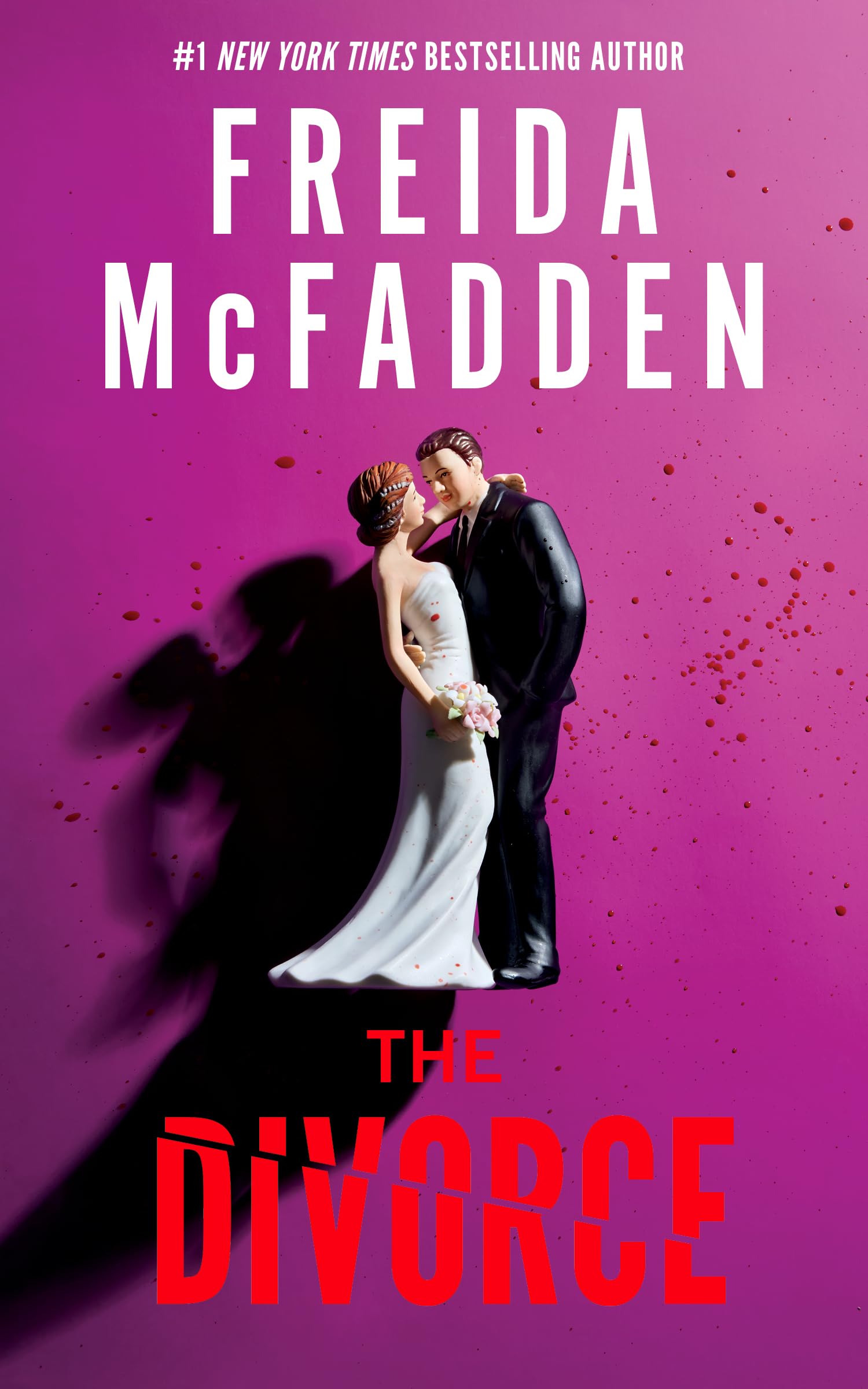
When a marriage ends, the paperwork is often the least complicated part. The emotional landscape of divorce — the grief, the anger, the logistical chaos — can feel overwhelming. Enter The Divorce, a guided journal designed to help people process the end of their relationship. It’s not a self-help book promising quick fixes, but rather a structured space for reflection, planning, and emotional release.
In practice, this journal functions as a hybrid between a traditional diary and a workbook. Each section prompts you to explore specific aspects of the separation: from documenting the timeline of events to writing letters you may never send. The exercises are practical — there are pages for budgeting, co-parenting schedules, and even a “gratitude” section for small wins. The tone is calm and non-judgmental, which is important when your own thoughts might be anything but.
One of its key features is the “check-in” system — a simple mood tracker that encourages you to note how you’re feeling each day. It’s not groundbreaking, but it creates a habit of self-awareness. There are also prompts for identifying support networks and setting boundaries, which feel more actionable than vague advice like “take care of yourself.” The journal is undated, which is a smart choice — it respects that healing doesn’t follow a calendar.
However, there are limitations worth noting. The journal is fairly bulky for something you might want to carry around. It’s not the kind of thing you’d slip into a handbag for a coffee shop session. More importantly, the exercises assume a certain level of emotional readiness. If you’re in the raw, early stages of a divorce, some prompts — like “list three things you learned from this relationship” — might feel premature or even invalidating. It’s a tool better suited for a few months into the process, not the first week.
Compared to a generic blank journal, The Divorce offers structure that can prevent you from spiraling into repetitive loops of anger or sadness. A blank notebook leaves you to your own devices, which can be freeing but also daunting. This journal provides guardrails. On the other hand, therapy or a divorce support group offers real-time human feedback that a book cannot replicate. The journal is best seen as a complementary tool, not a replacement for professional help.
Who is it for? People who process emotions through writing, who want a gentle framework to organize their thoughts during a chaotic time. It’s also useful for those who struggle to articulate their feelings and need a starting point. Who is it not for? Anyone in acute crisis, or those who find structured prompts restrictive. If you prefer free-form expression or are already working with a therapist who provides similar exercises, this may feel redundant.
Ultimately, The Divorce delivers on its promise: a guided, non-clinical resource for navigating separation. It won’t fix your marriage or make the pain disappear, but it can help you move through the process with slightly more clarity. For the price, it’s a reasonable investment in your own mental organization — just don’t expect it to do the heavy emotional lifting for you.