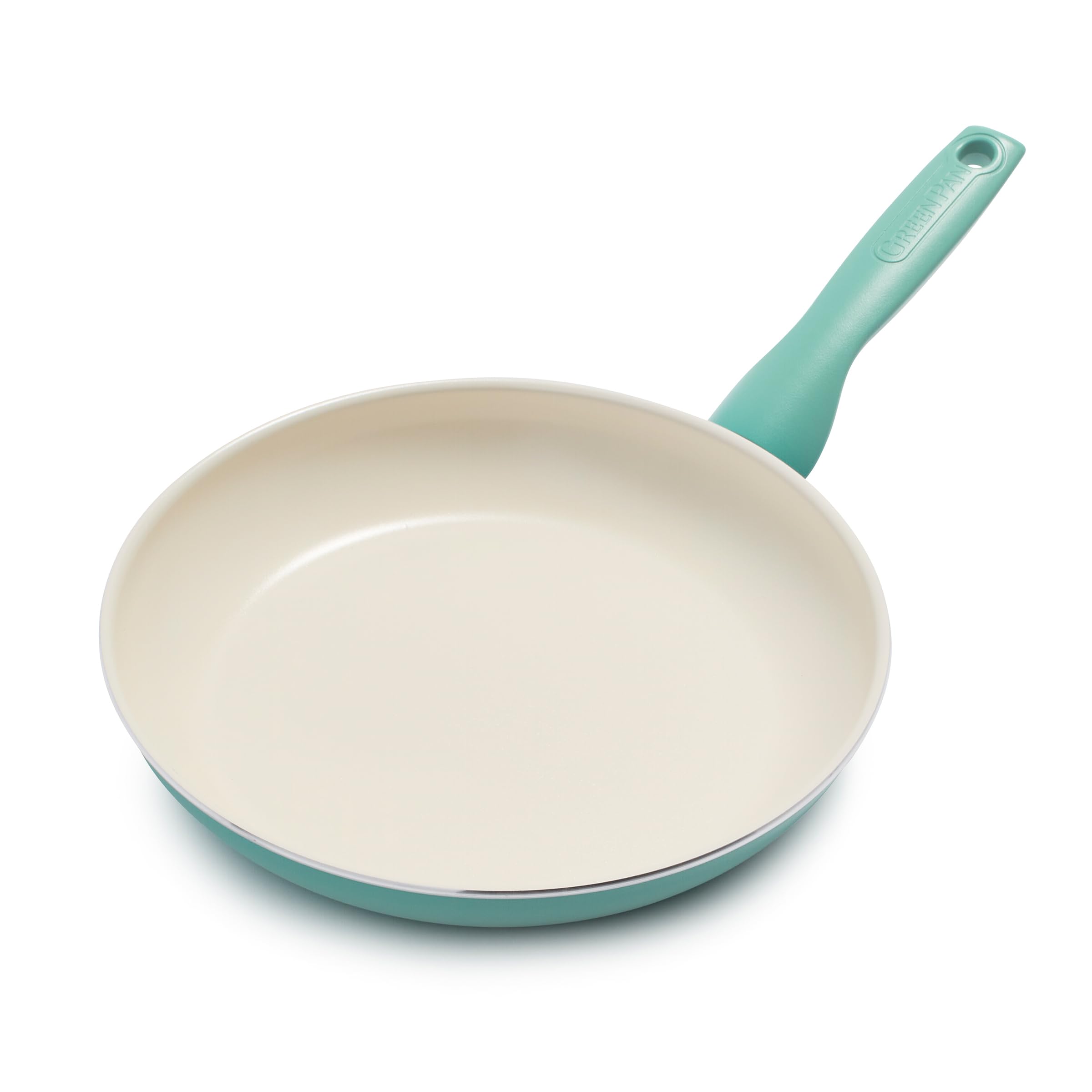
The GreenPan Rio Healthy Ceramic Nonstick 10″ Frying Pan Skillet in turquoise has been making rounds in kitchen circles, and after spending a few weeks cooking with it, I have a pretty clear picture of what it does well and where it falls short. This is a nonstick skillet that leans heavily on its ceramic coating, which is marketed as PFAS-free and generally more eco-friendly than traditional nonstick surfaces. It’s dishwasher safe, which is a nice convenience for those who hate hand-washing pans, but as with any nonstick, there are nuances worth noting.
In real-world use, this pan handles the basics quite well. I’ve used it for scrambled eggs, which slid off without a trace of residue, and for searing chicken thighs, where the skin crisped up nicely without sticking. The 10-inch size is practical for one or two servings—enough for a couple of eggs and some toast, or a single chicken breast with vegetables. The ceramic coating feels smooth and looks good initially, but it’s worth tempering expectations about durability. After about three weeks of moderate use, I noticed a slight dulling in the center where the heat is most concentrated. That’s not unusual for ceramic nonstick, but it’s something to keep in mind if you’re used to the longevity of traditional PTFE-based pans.
Key functional features include the ceramic nonstick coating, which is free of PFAS, PFOA, lead, and cadmium. The pan is also dishwasher safe, though I found hand-washing with a soft sponge extended the coating’s life noticeably. The handle is made of stainless steel and stayed relatively cool during stovetop use, though it did warm up after extended cooking. The pan is compatible with all stovetops except induction, which limits its appeal for some users. The turquoise color is a nice visual touch, but it fades slightly after repeated dishwasher cycles, so if aesthetics matter, hand-washing is better.
One limitation I encountered is the heat distribution. The pan heats quickly but unevenly in spots, especially on medium-high heat. For example, when making a simple omelet, the edges cooked faster than the center, requiring some shuffling. This isn’t a dealbreaker for low-heat tasks like eggs or reheating leftovers, but it’s noticeable for more precise cooking. Additionally, the ceramic coating is less durable than traditional nonstick; it’s prone to scratching if you use metal utensils, so sticking to silicone, wood, or plastic is necessary. After a few uses with a silicone spatula, I saw no scratches, but I’d be cautious with anything harder.
Compared to a standard stainless steel skillet, the GreenPan Rio offers easier cleanup and less need for oil, but it lacks the high-heat searing capability and durability of stainless steel. Stainless steel pans can take a beating and develop a patina over time, while this ceramic pan is more of a short-term investment. If you’re comparing it to a traditional nonstick pan with PTFE, the GreenPan’s advantage is its PFAS-free composition, which some people prefer for health or environmental reasons. However, traditional nonstick often lasts longer and heats more evenly at higher temperatures, so there’s a trade-off.
Who is this pan for? It’s suitable for home cooks who prioritize non-toxic materials and convenience, and who mostly cook low-to-medium heat dishes like eggs, pancakes, fish, or vegetables. It’s also a good fit for someone who wants a colorful, lightweight pan that’s easy to clean and doesn’t mind replacing it every year or two. On the flip side, it’s not ideal for those who need a workhorse pan for high-heat searing, deglazing, or frequent heavy use. Professional cooks or anyone who prefers cast iron or stainless steel’s longevity will likely find this pan too fragile. It also isn’t great for induction cooktops, so check your stove before buying.
Overall, the GreenPan Rio is a reasonable entry-level ceramic nonstick skillet with some practical strengths and clear limitations. It does what it promises for everyday low-fat cooking, but don’t expect it to outperform more durable alternatives in the long run. If you’re looking for a temporary, eco-conscious option for simple meals, it’s worth considering. Just be prepared to handle it with care and replace it sooner than you might with a traditional nonstick or stainless steel pan.